Why Grub Treatments Make Your Mole Problem Worse
It is the most commonly sold mole treatment in north Georgia, and for most yards it makes the damage worse rather than better.
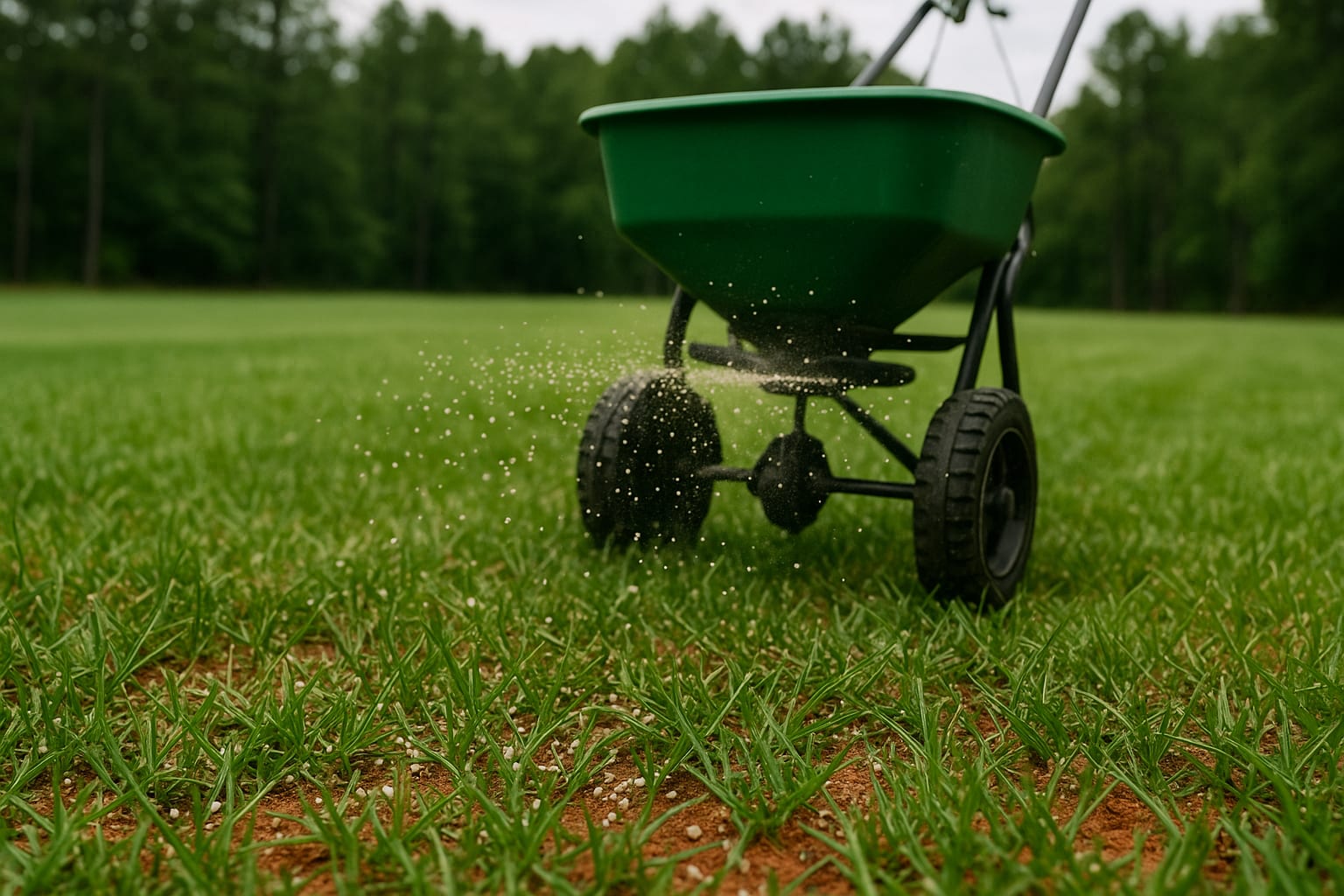
The pitch you have probably heard
A lawn company looks at the ridges in your yard and tells you the moles are there for the grubs. Kill the grubs, they say, and the moles will leave. You buy a season of grub control, and a few weeks later the tunnelling is worse than when you started.
That is not bad luck, and the company is not necessarily lying to you. The advice is just built on a premise that does not hold for the mole species living in Georgia lawns.
Moles here are not grub specialists
The mole in virtually every north Georgia lawn is the eastern mole, Scalopus aquaticus. Earthworms make up the bulk of its diet. Grubs and other insect larvae are eaten opportunistically — they are a snack, not the reason the animal is in your yard.
This is the whole problem with grub-based logic. You can kill every grub in the soil and leave the mole's actual food supply completely intact. The animal has no reason to go anywhere, because the thing it eats is still there in enormous numbers.
Why the damage often gets worse, not better
Here is the part nobody mentions when they sell you the treatment. A mole does not tunnel for exercise. It tunnels to find food, and it tunnels until it finds enough.
Take away a portion of the available food in the soil and you have not removed the mole's reason to be there — you have increased the amount of ground it has to cover to feed itself. More ground covered means more linear feet of tunnel pushed through your lawn. The yard gets worse precisely because the treatment worked on the grubs.
It is also worth knowing that several soil insecticides used for grub control are not selective about what soil life they affect. Reducing the broader invertebrate population in the top few inches can push a mole to range further still.
The test that settles it
If grubs were driving your mole problem, grub control would end it within a few weeks. Ask anyone who has run a grub program on a mole-active lawn for two or three seasons whether the moles ever actually left.
The honest answer, nearly always, is that the tunnelling continued and the invoice kept arriving every spring.
What this means for your yard
Grub control is a legitimate product for an actual grub problem — brown patches that lift like carpet, heavy beetle pressure, that kind of thing. It is a reasonable purchase for that.
It is not a mole treatment. It does not remove the animal, it does not remove the animal's food, and it can leave your lawn in worse shape than it found it. The only thing that reliably ends mole damage is removing the mole.
Next: Why Mole Sprays and Castor Oil Repellents Do Not Work →