Mole Trapping Georgia by T.A.C. Wildlife Solutions

Mableton · Cobb County, Georgia

Mole trapping in Mableton, GA

We trap moles in Mableton and across Cobb County — and that is all we do. Mableton is an older south Cobb community, and its established lawns on red clay are the kind of ground moles settle into for the long term: mature turf, regular watering, and soil that stays moist well after rain.

Guaranteed trapping from $250 Free, no-obligation quote

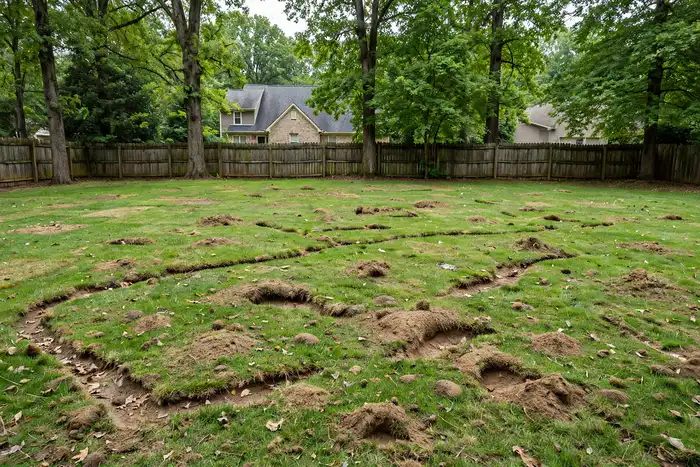
Mole damage in a Mableton, Georgia lawn
Surface ridging of the kind we trap across Mableton.

Live local conditions · Cobb County

What the moles are doing today

Good soil temperature, but the surface is drying out

Soil at 6cm is 67°F and on the dry side. Worms are holding a little deeper than they would after rain, so expect fewer new ridges and more deep runs. An irrigated lawn in these conditions becomes the wettest ground for acres — and takes the pressure the whole neighbourhood would otherwise share.

Conditions are shifting, so surface sign will come and go over the next couple of weeks. The animal underneath does not come and go with it.
Fall surge

Cooling soil and fall rain bring earthworms back toward the surface, and mole activity comes back up with them. The fall surge is usually the second-heaviest damage period of the year after spring.

What that means for trapping: Fall is prime trapping. Animals removed now are animals that do not overwinter in your lawn and do not breed there in February.

  • Soil temp (2″ down)67°F
  • Air temp71°F
  • Rain, last 4 days0.02″
  • Soil readings update through the day. Mole behaviour tracks soil temperature and moisture far more closely than air temperature — that is why we read the ground, not the forecast.

If you are in Mableton

Established Mableton turf, and a mole that settles in

A mole in an established Mableton yard is not passing through — it has found ground worth staying in. That is why damage here tends to come back in the same areas, season after season, until the animal itself is removed. Repellents and grub treatments do not change that, because they do not remove the animal.

  • If damage returns to the same part of the yard each season, that is a resident mole, not a new one each time.
  • Map the returning ridges with the flatten-and-check test — the corridor will be the same travel route, year to year.
  • Trapping that animal, rather than treating the lawn, is what ends the cycle.

How to tell a live run from a dead one →

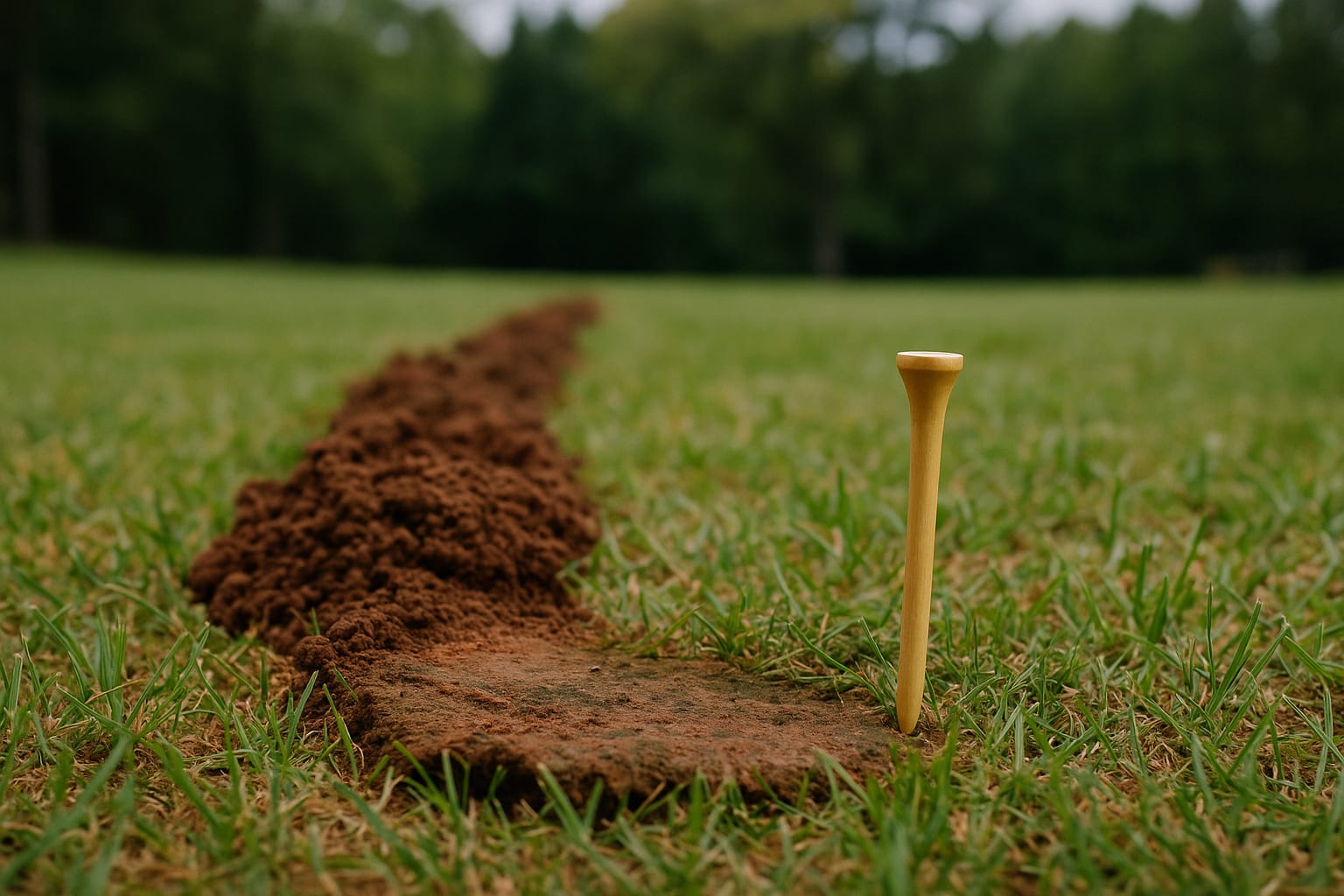
A mole ridge pressed flat and marked to test whether the run is active
The flatten-and-check test. The cheapest useful thing you can do today.

Straight answers

Questions we get asked most

How much does mole trapping cost in Georgia?

Our trapping starts at $250. The final price depends on the size of the property and how many separate run systems are working the yard, which is what the free no-obligation visit determines. You get a firm number before any work begins.

How many moles are actually in my yard?

Usually far fewer than people expect. Eastern moles are largely solitary and territorial, and a single animal can ridge up a startling amount of lawn. A yard that looks like it holds a dozen moles very often holds one or two.

Will grub treatment get rid of my moles?

No, and it frequently makes the damage worse. Earthworms make up the bulk of an eastern mole's diet, so killing grubs leaves its actual food supply intact while increasing the ground it has to cover to feed itself — which means more tunnelling through your lawn.

Do castor oil repellents work on moles?

They can push a mole off a treated section of lawn temporarily. They do not remove the animal, the effect washes out with Georgia rainfall, and the mole returns to tunnels that were never filled in. You are renting a result that expires.

Is mole trapping the same as mole removal?

Yes — trapping is how we remove moles. When people search for mole removal, mole control, or a mole exterminator, they usually mean the same job: get the animal out of the yard and keep it out. We do that by trapping, not by a recurring control program, poison, or a spray that has to be reapplied.

How long does trapping take?

On most properties it is a matter of days rather than a season. We set into live runs, return to check and adjust, and keep working the yard until the activity stops.

Do you guarantee the work?

We keep working the property until the trapping is done and the activity has stopped — that is what the price covers, however many visits it takes.

My mole damage stopped on its own. Is it gone?

Usually not. Surface ridging comes and goes with soil temperature and moisture — when the ground gets hot and dry or cold, earthworms move deeper and the moles follow them down out of sight. The runs stay open and the activity returns when conditions turn.

What areas do you cover?

We work in Cobb County, Cherokee County, Bartow County only. Keeping the area tight is deliberate: soil varies a lot across north Georgia and knowing the ground is most of reading a yard correctly.

Why does mole damage keep coming back in the same Mableton spot?

Because the ground there is good for moles — established turf on moist clay — and the animal that found it stays until it is removed. Treatments that do not remove the mole leave the same corridor open for the same animal, or the next one that finds it.

Get the moles out of your Mableton yard

Trapping starts at $250 and it is guaranteed: we keep working the property until the trapping is done and the activity has stopped — that is what the price covers, however many visits it takes.

Serving Cobb, Cherokee, Bartow counties only — so we know the ground.

Not moles? T.A.C. Wildlife Solutions handles wildlife removal across North Georgia.

Call (770) 709-8258 Free quote